Error Font for Unique Creative Projects
Looking for a font that stands out from the crowd? Error is a unique display font that adds personality and originality to any creative project. Whether you're designing a logo, crafting social media graphics, or creating editorial content, this font brings a bold, unconventional look that grabs attention.
A Bold and Unconventional Typeface
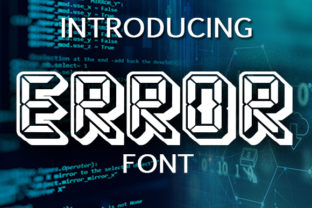
Error is more than just a font—it's a statement. Its jagged edges, uneven strokes, and irregular spacing create a visual language that communicates energy, creativity, and individuality. This display font is not meant for long paragraphs or body text; instead, it shines in headlines, titles, and short bursts of text where impact matters most.
The font’s character set includes uppercase letters with dramatic flourishes, making it ideal for projects that need an edgy or experimental feel. The overall style evokes a sense of imperfection and rawness, which can be incredibly effective in branding or marketing materials aiming to convey authenticity.
Where Error Works Best
Error is best suited for creative applications that benefit from a non-traditional aesthetic. Here are some real-world examples:
- Logo Design: Use Error as a primary typeface for logos that want to break the mold and stand out in a crowded market.
- Social Media Graphics: Add a punch to your Instagram posts, Facebook banners, or Twitter headers with this eye-catching font.
- Editorial Design: Incorporate Error into magazine spreads, blog headers, or newsletter titles to create visual interest and hierarchy.
- Packaging Design: Use it on product labels or packaging for brands that prioritize innovation and artistic expression.
- Web Design: Feature Error in call-to-action buttons, hero sections, or navigation menus to draw user attention and enhance engagement.
Its versatility makes it a great choice for both personal and commercial projects. Just remember that due to its stylized nature, it should always be used sparingly and paired with more readable fonts for body text.
Designing with Error: Practical Guidance
When using Error, it's important to evaluate how well it fits your project’s tone and purpose. This font works best when the goal is to make an impression—whether it's excitement, rebellion, or creativity.
Start by testing Error against other fonts to see how they pair together. For example, combining it with a clean sans-serif font like Helvetica or Arial can provide balance and contrast. Always ensure there is enough space between characters and lines to maintain readability.
Consider the font styles included in the package. Many premium versions of Error come with variations such as regular, bold, italic, or alternate characters. These options allow for more flexibility in design without compromising the font’s distinctive character.
If you're working on a brand identity project, think about how Error aligns with your brand’s voice. Does it reflect innovation, playfulness, or strength? Make sure the font supports the message you want to communicate.
Readability and Professionalism
While Error is a display font, its use must be strategic. Overusing it can lead to poor readability and distract from the main message. It's best reserved for headings, subheadings, and short phrases rather than large blocks of text.
When using Error in digital formats, test it across different screen sizes and resolutions to ensure it remains legible. In print, consider the resolution and paper quality to avoid pixelation or distortion.
For commercial use, always check the licensing terms. Some fonts require purchase for specific uses, especially if you're planning to use them in products or distribute them widely. Make sure to choose a version that allows for the intended application.
Despite its unconventional look, Error can contribute to a professional appearance when used thoughtfully. It adds a layer of visual interest that can elevate your design work and help your brand stand out in a competitive landscape.
Whether you're a designer, marketer, or hobbyist, Error offers a powerful tool to inject originality into your creative projects. Use it wisely, and let it speak for itself.