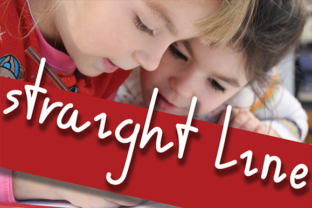
Straight Line: A Font That Embodies Quirkiness and Authenticity
Why Straight Line Stands Out in a Sea of Fonts
If you're looking for a font that breaks the mold, Straight Line might just be the one you need. This fun display font is more than just a collection of letters—it's a bold statement waiting to be made. With its playful look and unique design, Straight Line brings an air of authenticity and quirkiness that can transform any creative project into something truly standout.
Designed with creativity at its core, Straight Line doesn't follow traditional typography rules. Instead, it leans into irregular shapes and unexpected curves, making it ideal for those who want to stand out from the crowd. Whether you're designing a logo, creating a poster, or working on a personal project, this font adds a touch of personality that's hard to ignore.
The Playful Look of Straight Line
The defining feature of Straight Line is its playful look. Unlike conventional fonts that aim for uniformity, this typeface embraces imperfections and quirks. Each letter seems to have a story to tell, and together they create a visual rhythm that's both engaging and dynamic.
This playfulness isn't just about aesthetics—it's also about emotion. When used in the right context, Straight Line can evoke feelings of joy, spontaneity, and individuality. It’s perfect for projects that aim to capture attention quickly and leave a lasting impression.
For instance, if you're designing a birthday card or a promotional poster for a quirky local business, Straight Line can help bring your message to life in a way that feels genuine and fun. The font’s character-rich design ensures that even simple messages become visually compelling.
How Straight Line Brightens Up Crafting Projects
Crafting projects often require a blend of creativity and functionality, and Straight Line fits right in. Whether you're making handmade greeting cards, scrapbooking layouts, or DIY home decor, this font can add a spark of originality to your work.
One of the best things about Straight Line is its versatility. It works well with both digital and physical media, making it a great choice for mixed-media projects. You can use it in digital designs that will be printed, or incorporate it into hand-painted elements for a cohesive look.
Imagine creating a custom sign for your craft booth using Straight Line. The font's unique style would immediately draw people in, making your booth stand out among the rest. Or picture a set of personalized labels for your handmade soap—each label uses Straight Line, adding a touch of whimsy that reflects your brand's personality.
Practical Benefits of Using Straight Line
While the aesthetic appeal of Straight Line is undeniable, there are also practical benefits to consider. One of the most significant advantages is its ability to enhance readability without sacrificing style. Even though it's a display font, it maintains legibility when used appropriately, making it suitable for a wide range of applications.
Another benefit is its compatibility with various design tools. Straight Line is available in multiple formats, including TrueType and OpenType, ensuring that it can be used across different platforms and software. This makes it easy to integrate into your workflow, whether you're using Adobe Illustrator, Photoshop, or even free online tools like Canva.
Additionally, Straight Line is highly customizable. Many versions of the font come with additional characters, symbols, and alternate glyphs that allow you to fine-tune your design. This level of customization gives you more control over the final look of your project, helping you achieve exactly what you envision.
Choosing Straight Line for Your Next Project
Before choosing Straight Line for your next project, it's important to consider how it aligns with your overall vision. While it's a fantastic choice for creative and unconventional designs, it may not be the best fit for every situation. For example, if you're working on a formal document or a professional report, a more traditional font might be more appropriate.
However, if your goal is to inject some personality into your work, then Straight Line is definitely worth considering. It's particularly well-suited for branding, marketing materials, and any project that aims to make a strong first impression.
When selecting Straight Line, also think about the color palette you're using. Since the font has a lot of visual interest, pairing it with neutral or muted colors can help balance the design. On the other hand, using vibrant colors alongside Straight Line can amplify its playful nature and create a striking contrast.
Real-World Applications of Straight Line
To get a better sense of how Straight Line can be used in real-world scenarios, let's look at a few examples:
- Event Invitations: Use Straight Line to create invitations that feel fun and exciting. Pair it with playful illustrations or photos to make the event feel more personal and engaging.
- Product Packaging: Incorporate Straight Line into product packaging to give your brand a unique identity. It's especially effective for niche products that cater to creative or unconventional audiences.
- Personal Branding: If you're building your personal brand as a designer, artist, or content creator, Straight Line can help you establish a visual style that's both memorable and authentic.
- Marketing Materials: From social media posts to flyers and brochures, Straight Line can be used to catch attention and convey a sense of energy and enthusiasm.
These examples show just how versatile Straight Line can be. Whether you're working on a small-scale project or a large campaign, this font has the potential to elevate your design and make it more engaging.
Tips for Working with Straight Line
To get the most out of Straight Line, here are a few tips to keep in mind:
- Experiment with Spacing: Because Straight Line has a unique structure, adjusting the spacing between letters can help improve readability and visual flow.
- Use It Sparingly: While it's tempting to use Straight Line everywhere, it's best to use it as a highlight rather than a main text font. This helps maintain clarity and focus.
- Pair with Complementary Fonts: Combining Straight Line with a more traditional font can create a balanced look. For example, pair it with a sans-serif font for body text to ensure readability.
- Test Different Sizes: Try using Straight Line in different sizes to see how it looks in various contexts. Larger sizes tend to showcase its unique features better, while smaller sizes may require more careful spacing.
By following these tips, you can ensure that Straight Line enhances your design without overwhelming it. It's all about finding the right balance between creativity and functionality.