Syrup Font: Graffiti Meets Design
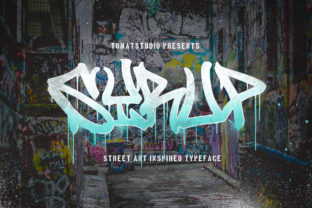
Looking for a font that brings the energy of street art into your digital projects? Syrup is a graffiti-inspired display font that captures the raw, urban vibe of spray-paint tags while offering the precision and flexibility needed for professional design work. Whether you're crafting a brand identity, designing a poster, or working on a creative project, Syrup delivers a unique visual punch with its bold, textured strokes and playful bonus elements.
What Makes Syrup Stand Out?
Syrup isn’t just another font—it’s a creative toolkit wrapped in typography. Its rough, uneven edges mimic the look of real-life graffiti, making it perfect for projects that demand an edgy, rebellious feel. The font includes a range of bonus vector files, which allow designers to add drips, swashes, and other stylized elements to enhance their work further.
The character set is rich and expressive, with uppercase letters that dominate the visual space and lowercase letters that maintain readability without sacrificing style. This makes Syrup ideal for headlines, logos, and attention-grabbing text across various media formats.
Key Features of Syrup
- Rough, Urban Aesthetic: Mimics the texture and irregularity of hand-painted graffiti.
- Bonus Vector Files: Offers additional design elements like drips and swashes for customization.
- Versatile Use Cases: Suitable for both digital and print applications, from posters to branding materials.
- Playful Yet Professional: Balances the fun aspect of graffiti with the clean lines needed for modern design.
Practical Applications Across Industries
Syrup finds its place in a wide array of industries, each leveraging its distinct personality for different purposes. For creatives and designers, it's a go-to choice for album covers, t-shirt designs, and mural concepts. Entrepreneurs can use it to craft eye-catching marketing materials that stand out in a crowded market.
Marketers might find Syrup especially useful when targeting younger demographics or creating campaigns with a street culture angle. Educators could use it in classroom projects or presentations to introduce students to the world of typography and graffiti art. Even business owners looking to refresh their brand image can benefit from Syrup’s bold and distinctive appearance.
Real-World Examples and Use Cases
Imagine a local music festival promoting its event with posters designed using Syrup. The font immediately conveys a sense of rebellion and excitement, drawing in the target audience. Similarly, a boutique clothing store could incorporate Syrup into its logo and signage to create a strong, memorable brand identity.
In the digital space, Syrup works well for website headers, call-to-action buttons, and social media banners. Its high contrast and visual impact ensure that important messages are noticed quickly. Bloggers and content creators can also use it for titles or featured images to add a touch of creativity to their online presence.
Why Choose Syrup Over Other Fonts?
While there are many display fonts available, Syrup distinguishes itself through its authenticity and versatility. Unlike generic sans-serif or serif fonts, Syrup offers a unique visual language rooted in street art. This makes it particularly valuable for designers looking to break away from conventional typographic norms.
The inclusion of vector files adds another layer of value, allowing users to tailor their designs with extra flair. This feature is especially beneficial for those who want to experiment with layouts or create custom illustrations that complement their text.
From a usability standpoint, Syrup is easy to implement in most design software, including Adobe Illustrator, Photoshop, and even Canva. It supports multiple languages and includes a comprehensive character set, ensuring that it can be used for a variety of projects without limitations.
Considerations When Using Syrup
While Syrup is a powerful tool, it's important to consider how it fits within the broader context of your project. Because of its bold and textured nature, it may not be suitable for long blocks of text. Instead, it works best as a headline or accent font, where its impact can shine without overwhelming the reader.
Designers should also think about color contrast when using Syrup. The font’s rough edges can make it challenging to read if paired with a similar background color. Choosing a high-contrast color palette will help maintain readability and ensure the message remains clear.
Lastly, while Syrup has a playful side, it should be used intentionally. Overusing it or applying it in inappropriate contexts can dilute its effect. It’s best reserved for projects where the urban, graffiti aesthetic aligns with the overall theme or message.
Final Thoughts on Syrup
Syrup is more than just a font—it’s a statement. It allows designers, creators, and entrepreneurs to inject a sense of rebellion, energy, and individuality into their work. With its unique characteristics, bonus vector files, and versatile applications, Syrup is a valuable asset for anyone looking to stand out in a visually saturated world.
Whether you're a seasoned designer or just starting out, Syrup offers a fresh perspective on typography that bridges the gap between street art and professional design. So next time you're working on a project that needs a little more edge, consider reaching for Syrup—it might just be the right fit for your creative vision.